
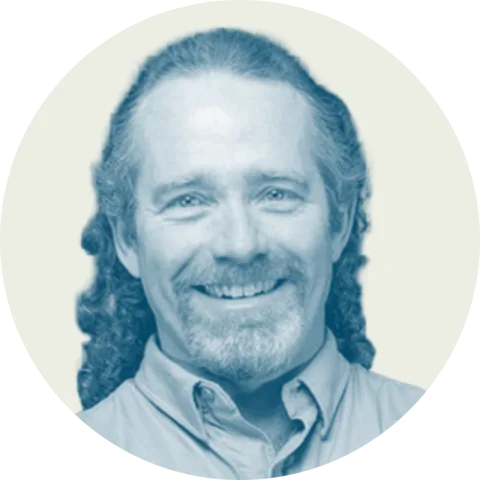
Co-founder & Chief Science Officer, Statvis
Court Sandau, PhD. The chemistry behind the forensics.
Court is co-founder and Chief Science Officer of Statvis. When contamination could have come from more than one source, his chemistry is how you tell them apart.
Where did it come from? The question at the centre of his work.
Court Sandau is an analytical environmental chemist with a PhD in chemistry from Carleton University (CV). Earlier in his career he managed a laboratory at the U.S. Centers for Disease Control and Prevention responsible for analytical toxicology and the assessment of human exposure to environmental contaminants (Elsevier editor biography).
He is also the founder of Chemistry Matters, a forensic environmental chemistry consultancy. His forensic work applies compound identification and chemical fingerprinting to determine the origin of contamination in technically contested and litigious matters. It has covered PCBs, dioxins and furans, PFAS, PAHs, naphthenic acids and petroleum hydrocarbons, including oil spill, oil sands and Superfund site cases (Battelle author biography).
At Statvis he leads the science: the forensic methods built into the product, how their results are read, and the forensic chemistry offered alongside the platform.
Writing and talks
- BookElsevier, 2014Environmental Forensics for Persistent Organic PollutantsCo-edited with Gwen O’Sullivan. A reference on forensic investigation of persistent organic pollutants, from analytical methods to their regulatory and legal status.
- PaperEnvironmental Health Perspectives, 2000Analysis of hydroxylated metabolites of PCBs (OH-PCBs) and other chlorinated phenolic compounds in whole blood from Canadian InuitLead author, with P. Ayotte, E. Dewailly, J. Duffe and R. J. Norstrom. Vol. 108, no. 7, pp. 611–616.
- PosterBattelle Sediments Conference, 2025PCB Congeners for Aroclor Determination and Chemical Fingerprinting: Sediment Case StudyUsing PCB congener patterns to identify Aroclor mixtures and fingerprint sources in sediment.
- WorkshopRemTech 2026AI in Contaminated Sites Work: A Practical IntroductionCo-presented with Paul Fuellbrandt and Jordan Yeo. Court led the section on AI for data.
- Blog postStatvis blogThe Knowledge That Never Made It Into the ReportSite files hold what was found. The reasoning behind those findings usually lives in someone’s head, and how to capture it before it leaves.
Talk to Court about a contested source.
Tell us about the site or matter and the question the chemistry needs to answer, and ask for Court. We’ll set up a call.



Take control of your contaminated sites.
Bring us one site's documents. We'll show you what's in them.